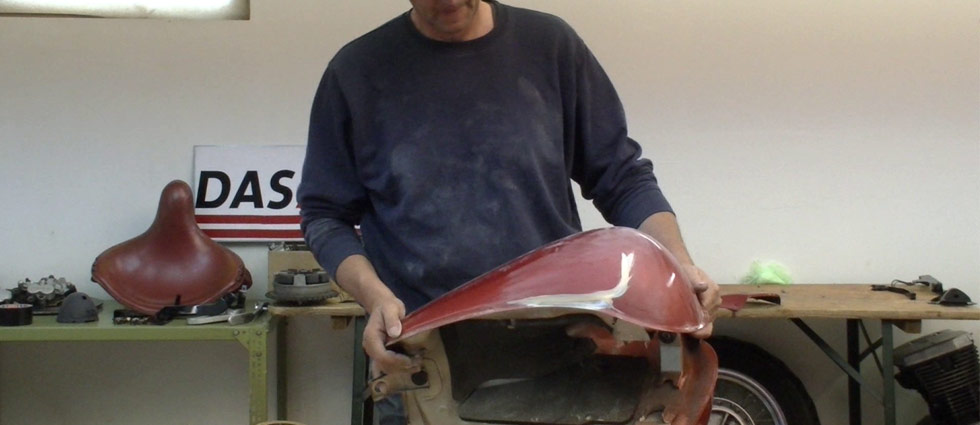
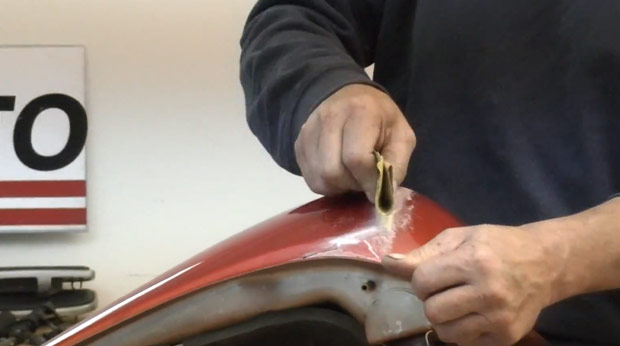
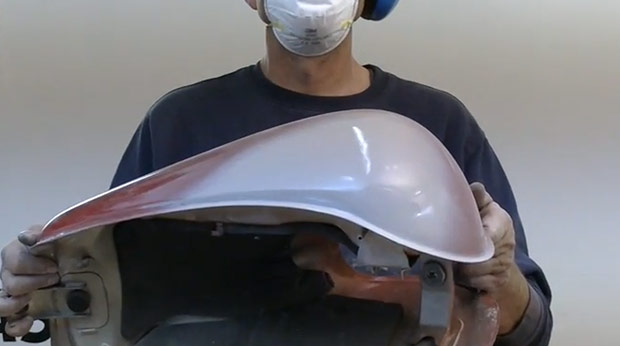
Completely remove all rust with wire brush, rust disc, and sandpaper. All rust must be removed!
3
Prime & Sand
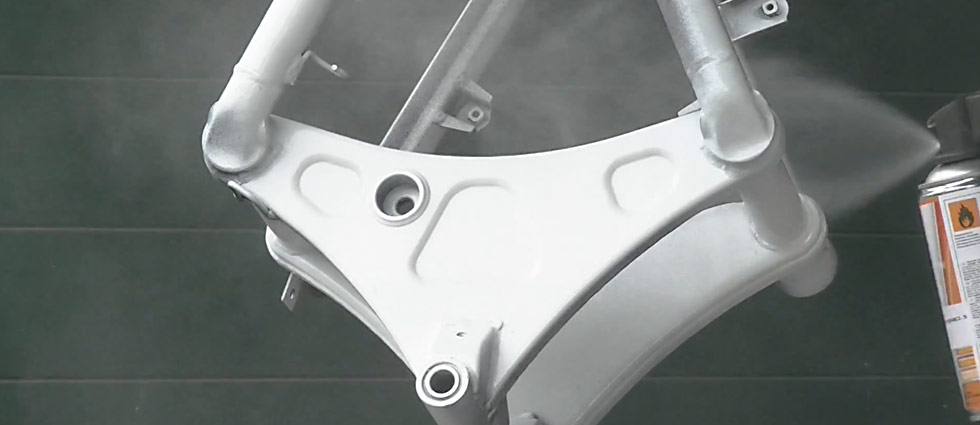
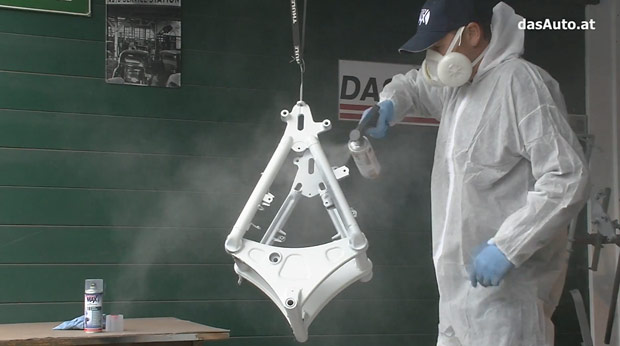
Apply 2K epoxy primer in 2-3 coats. After 12h, wet sand with P800. Apply stone chip protection on lower areas.
4
Base Coat
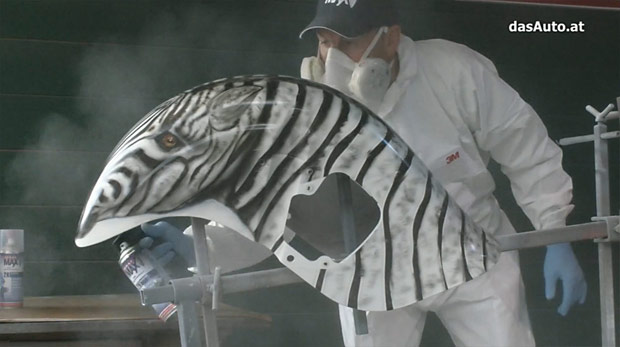
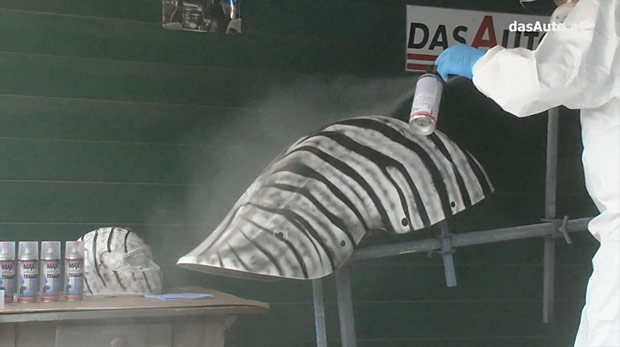
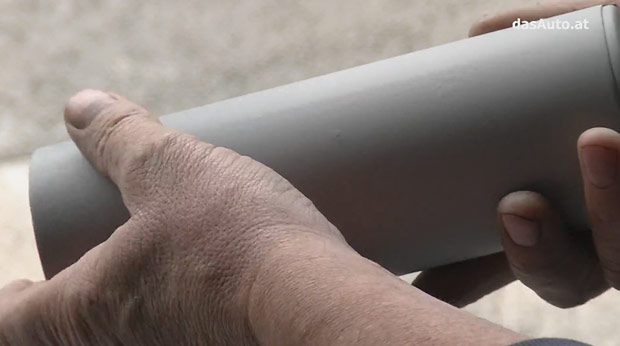
Shake spray can 2 minutes. Apply multiple thin coats from 30cm distance. First coat thin (adhesion), second coat full coverage.
5
Clear Coat
After 30 minutes, apply 2K clear coat in 2-3 thin layers for UV protection and gloss.
6
Polish & Reassemble
After curing, polish blending area. Reassemble all parts – done!
▶️ Why DIY?
You don’t need to be a pro! Watch our video and you’ll see – you can do this too. Save €1800!
https://staging.mountaingolf.eu/wp-content/uploads/2022/02/Rost-am-Kotflügel-und-Einstieg-vorne-unten.jpeg7201280AutoTomTurbohttps://staging.mountaingolf.eu/wp-content/uploads/2024/03/logo_2017_340x156.pngAutoTomTurbo2026-01-22 14:40:112026-01-22 14:40:11The Classic: Rust on Fender and Door Sill
Clean the airbrush artwork from dust. Do not touch with bare hands!
2
First coat
Apply a thin mist coat of 2K clear coat. This prevents the artwork from bleeding.
3
Build-up coats
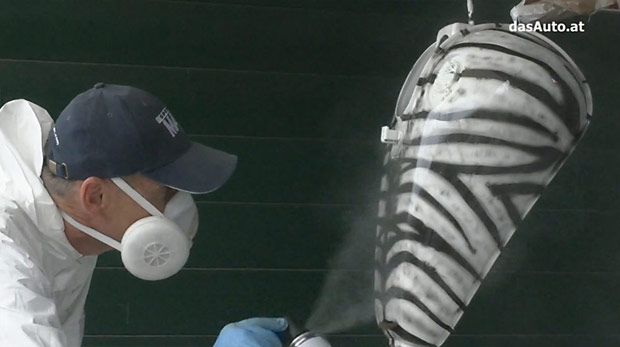
Spray 2K clear coat in 3-4 thin layers. Allow to flash off for 15-20 minutes between layers.
4
Curing & finishing
After 48 hours of drying time, the surface can be polished and waxed.
Protection
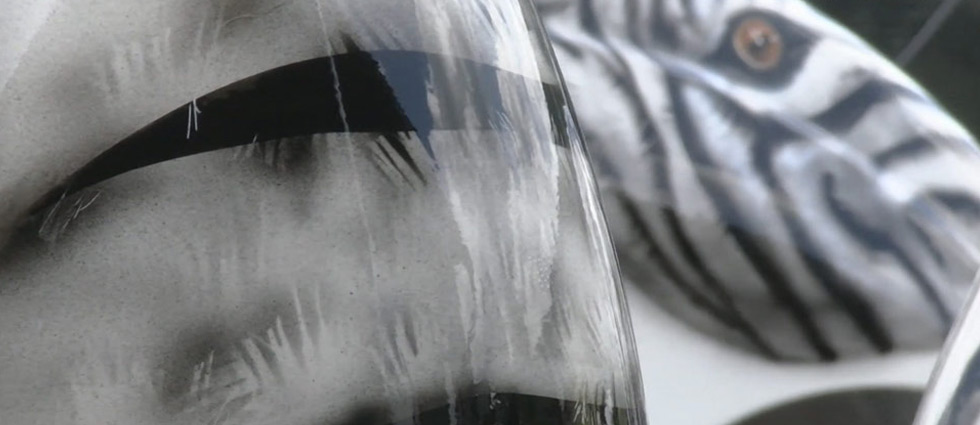
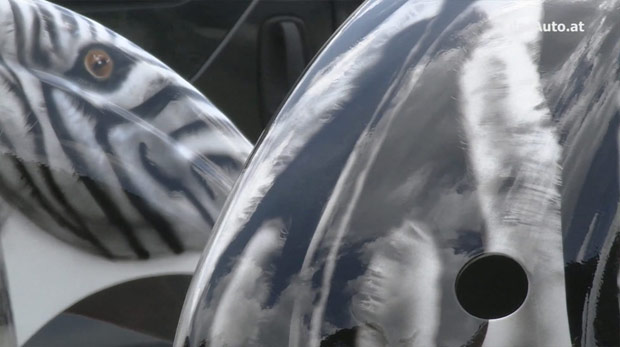
The beautiful airbrush work needs protection! Multiple layers of 2K clear coat seal the artwork and provide fuel resistance and UV protection.
Pro Tip
The first coat must be very thin! If you spray too much at once, the solvents can dissolve the airbrush colors.
Clear coat sealing
2K clear coat schemePreparation for the clear coatFirst clear coat applicationIntermediate sandingHigh-gloss finish
https://staging.mountaingolf.eu/wp-content/uploads/2013/12/zebradesign_klarlack2.jpg425980AutoTomTurbohttps://staging.mountaingolf.eu/wp-content/uploads/2024/03/logo_2017_340x156.pngAutoTomTurbo2018-12-18 09:38:382018-12-18 09:38:38#10: Seal the airbrush
Repair minor damage yourself – from preparation to finish
▶️ Difficulty Medium
⏱️ Time 3-5 Hours
▶️ Cost €80-150
▶️ Savings €400-800 vs. Body Shop
▶️ Tools Sanding Block
Video Tutorial
▶️ Matching Product for This Video
[dasauto_product id=”368833″]
The Problem
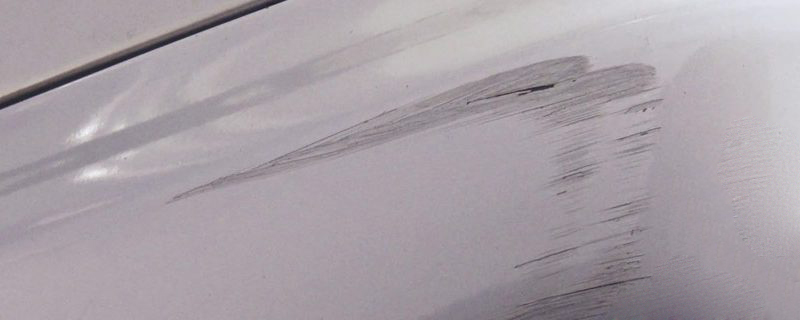
Small dents, scratches and bumps from parking mishaps or minor accidents are annoying and lower the value of your car. A body shop often charges €500 or more for such small repairs.
With the right materials and a little patience, you can repair these damages yourself and save a lot of money!
Here’s How:
1
Assessment
First assess the damage. Is it just a scratch in the clear coat, or has the paint been damaged down to the metal? For deep scratches down to the metal, rust protection is essential.
2
Preparation
Clean the damaged area thoroughly with silicone remover. Sand the area around the damage with P320-P400 sandpaper to create adhesion for the filler.
3
Filling
For dents: Apply filler in thin layers. Mix the filler with hardener according to instructions – not too much hardener, otherwise it sets too quickly!
Let each layer dry and sand smooth before applying the next. Build up gradually until the surface is level.
4
Fine Sanding
Once the filler is level with the surrounding area, sand with progressively finer grits: P400, then P600, finally P800. The surface must be perfectly smooth.
▶️ Pro Tip
For paintless dent repair, heat the panel with a heat gun first – the metal becomes more flexible! This works great for small dents without paint damage.
5
Priming
Mask off the surrounding area. Apply filler/primer in 2-3 thin coats. Let it dry for 30 minutes, then sand with P600-P800 wet sandpaper.
6
Painting
Apply base coat in 2-3 thin layers. Keep 25-30cm spray distance. Let flash off 5 minutes between coats. Then apply 2K clear coat in 2-3 layers.
7
Finishing
After 24-48 hours, polish the repaired area with polishing compound to blend it with the surrounding paint. The result should be virtually invisible!
⚠️ Warning
Always work in thin layers! Thick layers of filler crack, thick layers of paint run. Patience is key to a professional result.
https://staging.mountaingolf.eu/wp-content/uploads/2017/01/x_dellen_bb.jpg320800AutoTomTurbohttps://staging.mountaingolf.eu/wp-content/uploads/2024/03/logo_2017_340x156.pngAutoTomTurbo2018-10-21 17:08:312026-02-03 14:14:27Scratches, Dents and Bumps on Your Car
Professionally repair small paint damage without complete repainting
▶️ Difficulty Medium
⏱️ Time 2-4 Hours
▶️ Cost €50-100
▶️ Savings €300-600 vs. Body Shop
Video Tutorial
▶️ Matching Product for This Video
[dasauto_product id=”368832″]
The Problem
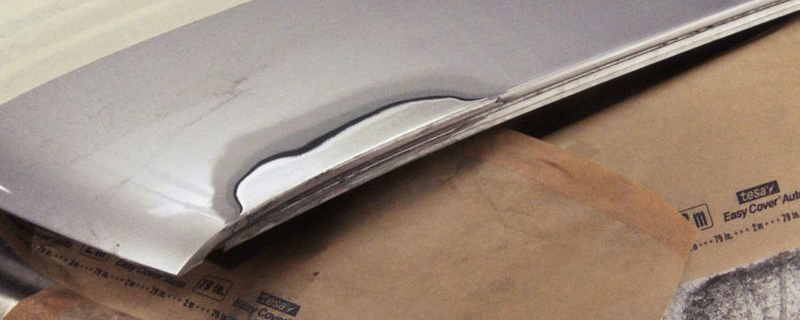
Larger scratches, parking damage, or small dents with paint damage require more than just a touch-up pen. The damaged area must be prepared and repaired with spray paint.
With Spot Repair, only the damaged area is painted – not the entire part. This saves time and money!
Here’s How:
1
Preparation
Thoroughly clean the damaged area with silicone remover. Remove loose paint and sand the edges with 800 grit sandpaper.
2
Priming
For areas down to bare metal: First apply rust protection primer, then filler. Let it dry well and sand.
3
Masking
Generously mask off the surrounding area. Use masking film and painter’s tape. The transitions should be able to blend softly.
4
Spraying Base Coat
Apply the base coat in 2-3 thin layers. Let it flash off for 5-10 minutes between coats. Spray distance approx. 20-25 cm.
⚠️ Warning
Don’t apply too thick! Better multiple thin coats than risking runs. With metallic paints, pay attention to consistent spray distance!
▶️ Pro Tip
Work in a dust-free environment at 15-25°C temperature. Avoid direct sunlight! Best to work in the garage with the door open.
5
Applying Clear Coat
After 20-30 minutes of flash-off time, apply 2K clear coat in 2-3 layers. The clear coat provides gloss and protection.
6
Finishing
After 24h drying time, you can polish out any dust inclusions with 2000 grit sandpaper (wet) and polishing compound.
Bumpers, mirrors, spoilers and fender flares – paint them professionally
▶️ Difficulty Easy
⏱️ Time 3 Hours
▶️ Cost €150
▶️ Savings €500
▶️ Tools None Required
Video Tutorial – Complete Plastic Painting
▶️ Matching Product for This Video
[dasauto_product id=”368834″]
The Problem
Parts like fenders, bumpers, mirrors, spoilers, and flares made of plastic that are replaced or added only look good when they are painted to match the car.
This is also possible without a professional spray gun – simply with dasAuto paint sprays.
Here’s How:
1
Preparation
The plastic part must be checked for exact fit, any manufacturing defects, storage or transport damage must be repaired and adjusted.
Plastic parts that have not been primed by the manufacturer should be carefully sanded with P800 wet sandpaper and thoroughly cleaned with silicone remover. Manufacturers use special solvents to help plastic parts release from the mold more easily. These solvents do not mix well with primer, filler and paint. Thorough cleaning prevents later problems.
▶️ Pro Tip
Create a dust and insect-free environment. If you work in the garage, the floor should be wet to avoid dust.
If you paint outdoors, it should be completely windless. The earlier in the morning, the fewer insects that might land on the freshly painted surface.
If it does happen, remove the insect with tweezers while the paint is still wet. The paint will level out and correct the mistake on its own.
2
Priming and Re-sanding
Apply two coats of plastic primer to the sanded and cleaned plastic part and let it flash off.
After 20 minutes of drying time, the plastic part is – depending on condition – ready for filler or final painting.
Take your time – the more thoroughly you sand, the better the result.
▶️ Pro Tip
To avoid missing any spots when sanding, professionals use guide coat. This way you can immediately see where you’ve already sanded and where you haven’t.
3
Painting
Once the filler is applied, dry (after about 20 min) and sanded, it’s finally time for paint!
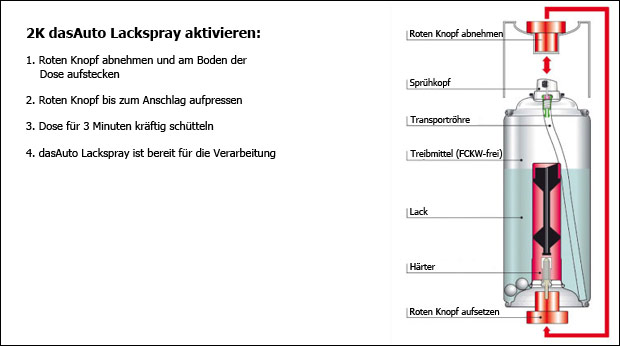
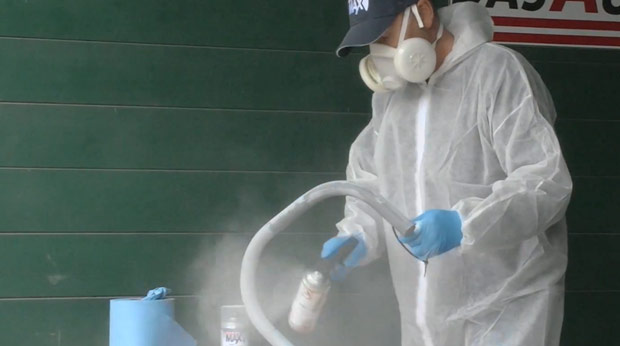
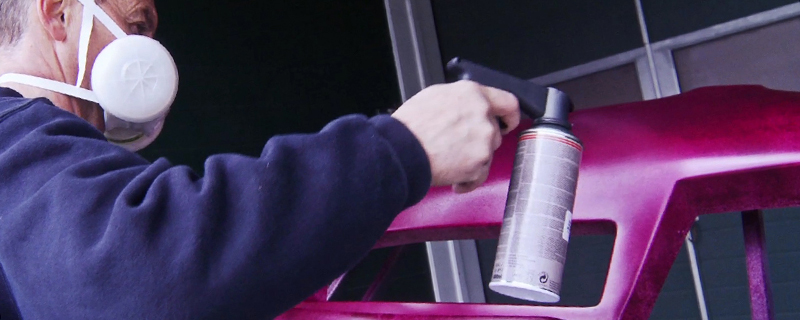
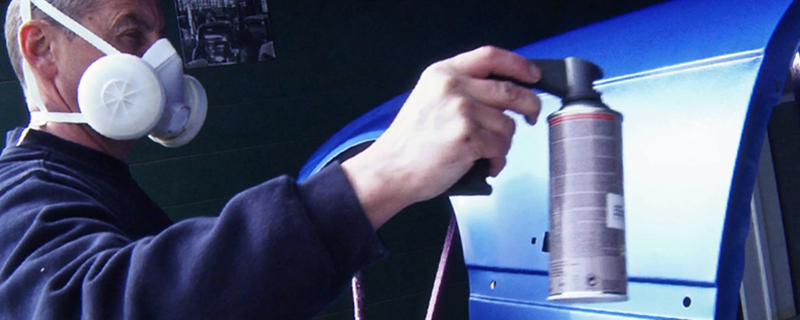
Shake the paint spray vigorously for 5 minutes until the ball is audibly hitting and everything is well mixed. Attach the handle, spray the first thin coat (tack coat) and let it flash off for 3 minutes.
Then apply the paint in further thin coats until you have a nice, evenly covering paint layer. Always allow 3 minutes of flash-off time between coats.
The ideal spray distance is 30 cm, the ideal temperature 15 to 20 degrees.
⚠️ Warning
Don’t spray too much at once, otherwise you’ll get runs… In the video, Max shows step by step how to do it right.
4
Clear Coat – Top Coat
After about 30 min. drying time, the clear coat goes over the paint layer.
Shake the clear coat well and apply in 3-5 thin coats, allowing it to flash off after each spray pass.
The clear coat protects the metallic particles from oxidation, gives the paint gloss, and is absolutely necessary as a protective layer.
⚠️ Warning
With solid colors, no clear coat is required. If unsure, email info@dasauto.at or call the hotline (+43 (0) 3687 24515 during business hours).
5
Done?
If you now find small edges, transitions or runs in the paint, that’s no problem:
After 2 to 3 days the clear coat is completely cured and the edge is simply carefully removed with P2000 wet sandpaper and then polished to a high gloss.
Of course, you’ll now polish the entire car and preserve it with hard wax. High gloss and high spirits! Congratulations!
https://staging.mountaingolf.eu/wp-content/uploads/2016/10/x_Lack_Kunst_bb.jpg320800AutoTomTurbohttps://staging.mountaingolf.eu/wp-content/uploads/2024/03/logo_2017_340x156.pngAutoTomTurbo2018-10-21 15:14:132026-02-03 14:14:11Paint Plastic Parts with Spray Paint
Paint fenders, doors, and other metal parts yourself like a pro
▶️ Difficulty Medium
⏱️ Time Required 3-5 Hours
▶️ Cost €50-120
▶️ Savings €300-800 vs. Paint Shop
Video Tutorial
▶️ Our SET for You
[dasauto_product id=”368835″]
The Problem
Damaged sheet metal parts like fenders, doors, hoods, or trunk lids need to be repainted after accident repair, rust treatment, or replacement.
With the right technique and quality materials, you can achieve professional results in your own garage! Save hundreds of euros compared to professional paint shops.
Step-by-Step Instructions:
1
Surface Preparation
Clean the part thoroughly with silicone remover. Repair old paint damage, treat rust spots, fill uneven areas with body filler. This step is crucial – any contamination will cause problems later!
2
Sanding
Sand the entire old paint surface with 400 to 600 grit sandpaper to create a matte finish. This gives the new paint proper adhesion. Then remove dust and degrease the surface completely.
3
Priming (if needed)
On bare metal or after filler work: Apply filler/primer and sand smooth (600 grit) after drying. Wait at least 12 hours before final sanding with P800.
4
Apply Base Coat
Spray base coat in 2-3 thin, even layers. Keep spray distance at 20-25 cm, use cross-coat technique (horizontal, then vertical passes). Let flash off 5-10 minutes between coats.
Warning
Always spray evenly and keep the can moving! Never stay in one spot – that causes runs and drips. Better to apply multiple thin coats than one thick one! If you see runs forming, stop and let it dry before sanding and repainting.
5
Apply Clear Coat
After 20-30 minutes flash-off time from the base coat, apply 2K clear coat in 2-3 layers. The clear coat provides gloss, depth, and essential UV protection for long-lasting results.
6
Drying & Polishing
Let dry for at least 24 hours – ideally 48 hours in a warm, dust-free environment. Polish out any dust inclusions with 2000 grit wet sandpaper and polishing compound for a perfect finish.
Pro Tip
Room temperature should be between 15-25°C (60-77°F). No direct sunlight! For best results, warm the spray cans in lukewarm water (not hot!) before use – this creates finer atomization for a smoother finish. Also, always do a test spray on cardboard first!
https://staging.mountaingolf.eu/wp-content/uploads/2016/10/x_Lack_Blech_bb.jpg320800AutoTomTurbohttps://staging.mountaingolf.eu/wp-content/uploads/2024/03/logo_2017_340x156.pngAutoTomTurbo2018-10-21 14:56:332026-02-03 14:49:05Paint Sheet Metal Parts with Spray Paint