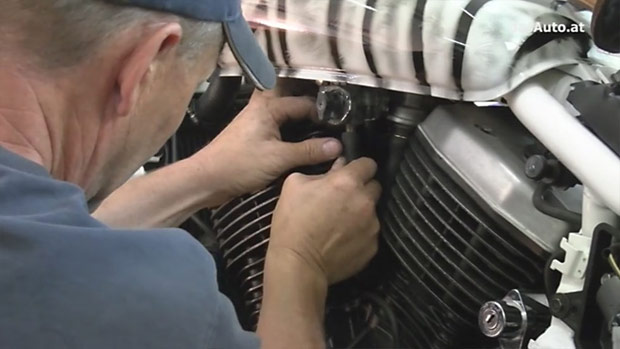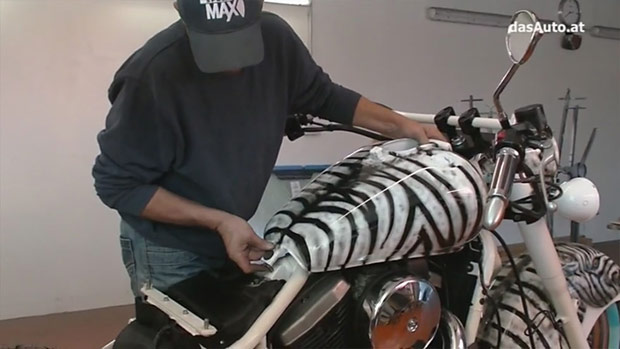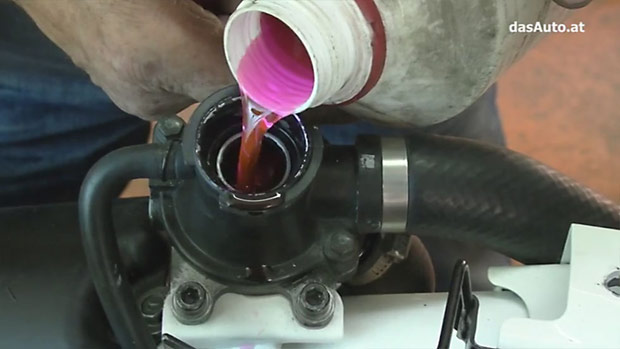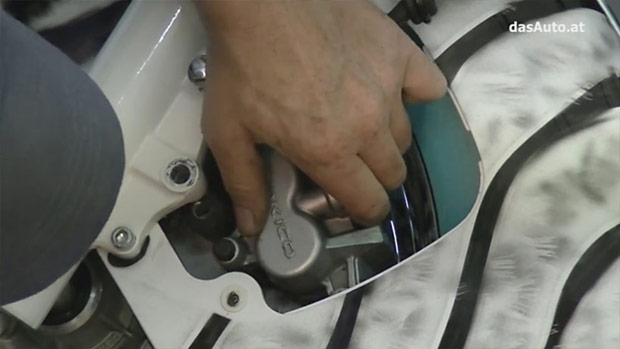
#12: The reward

#12: The reward

DONE! The Kawasaki Drifter shines in new splendor


EPISODE
12 of 12

DIFFICULTY
Enjoy!

TIME REQUIRED
Done!

Video Tutorial

The Result

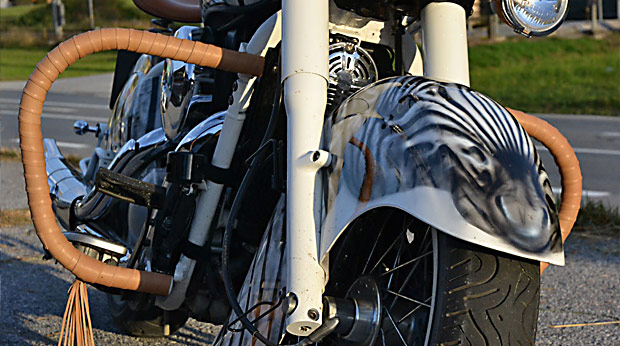
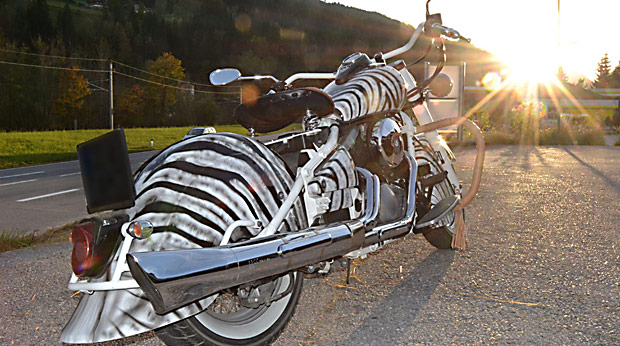
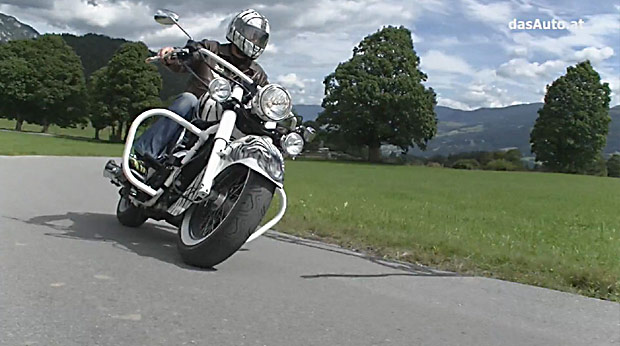
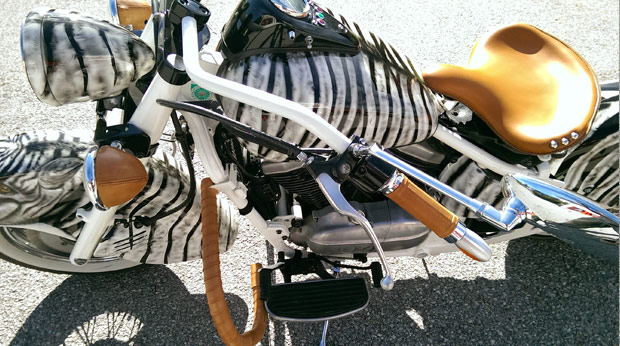
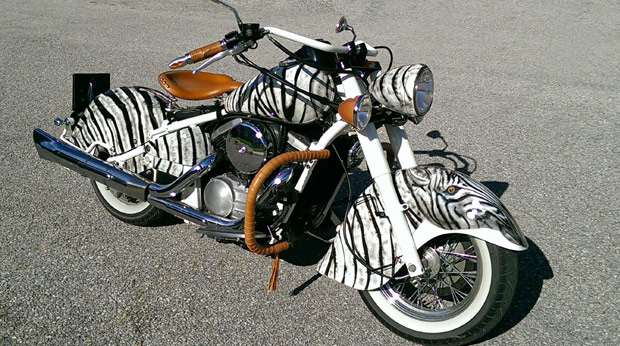
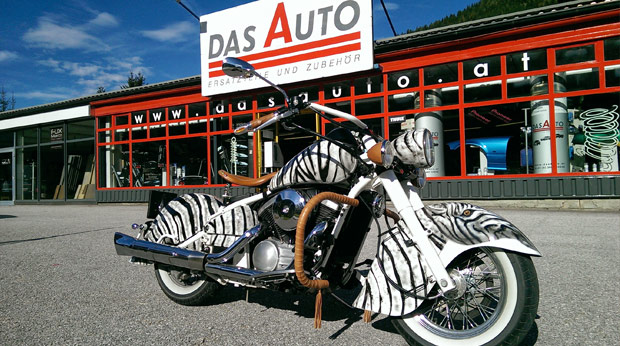
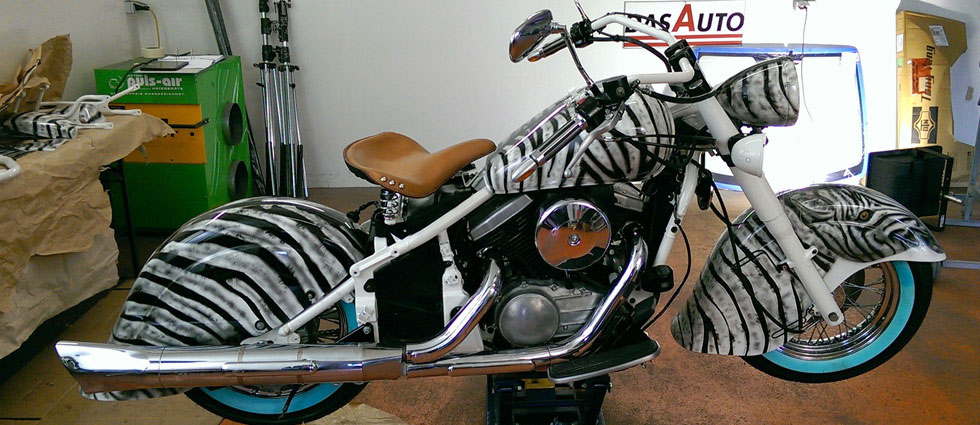
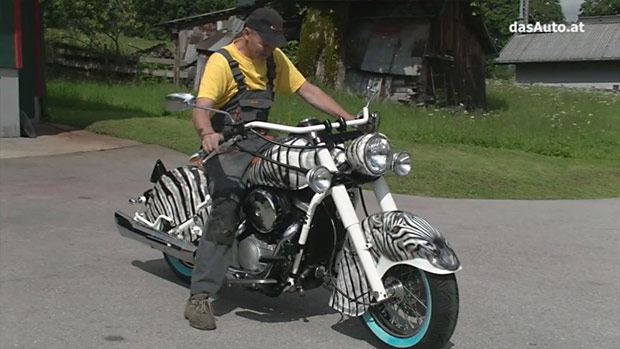
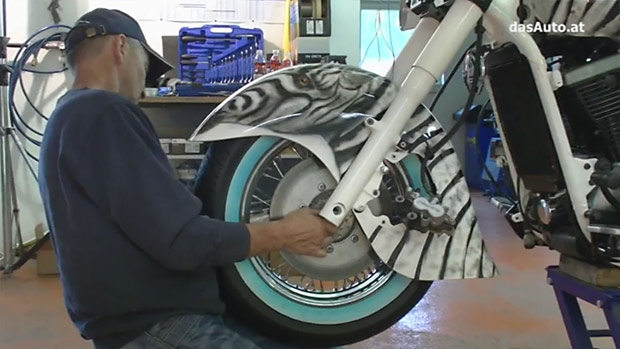
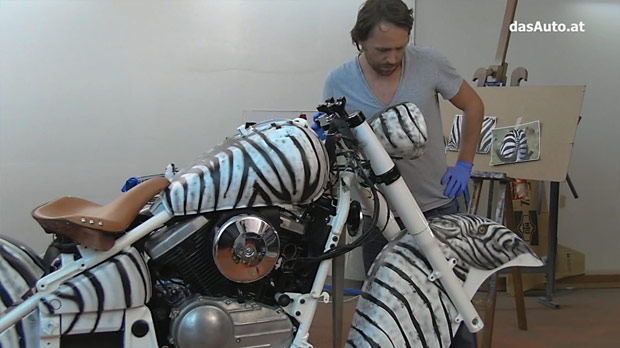
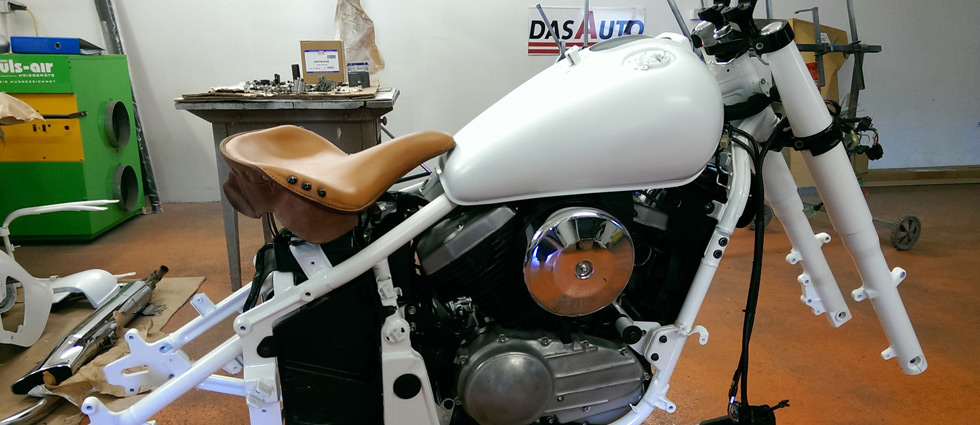
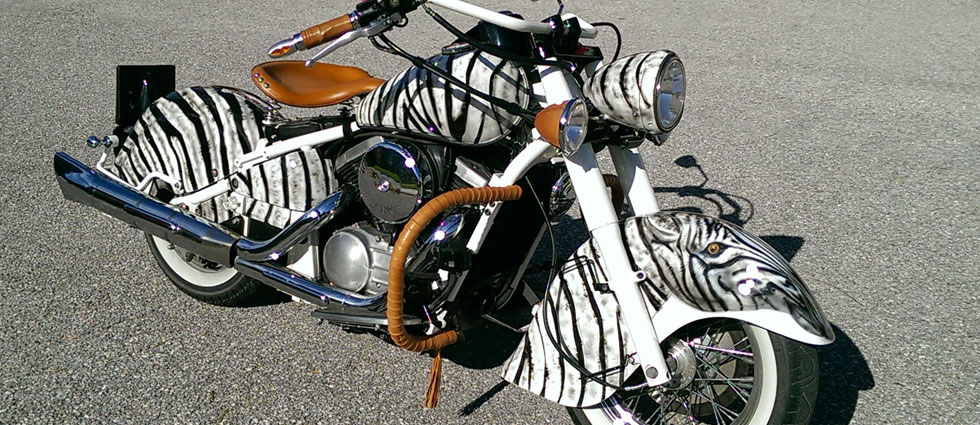
After months of hard work, it’s finally done: the Kawasaki VN800 Drifter shines in new splendor!

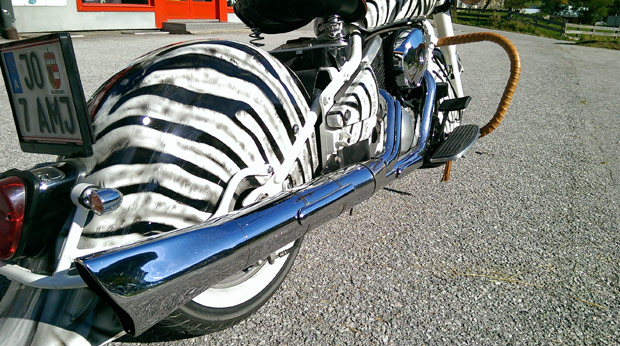
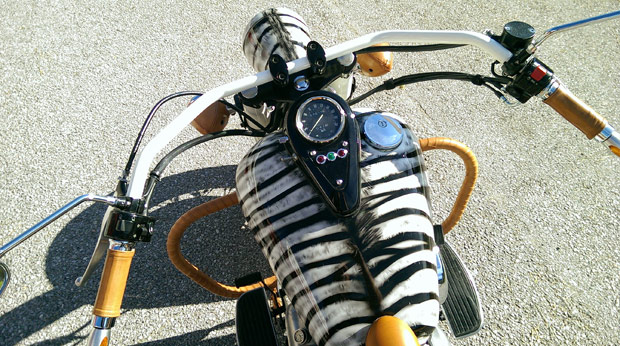
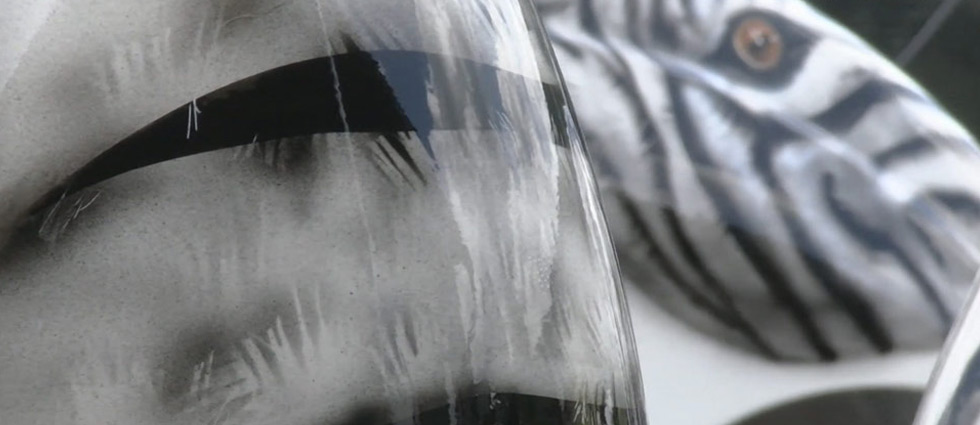
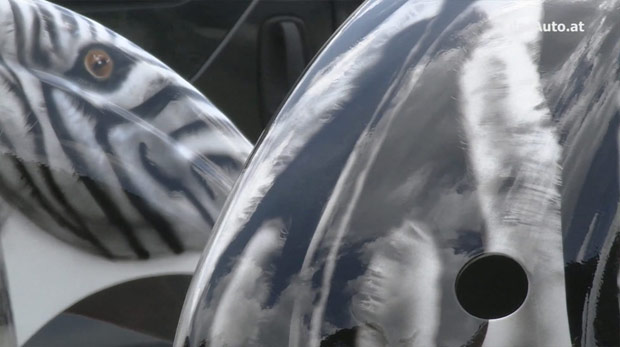
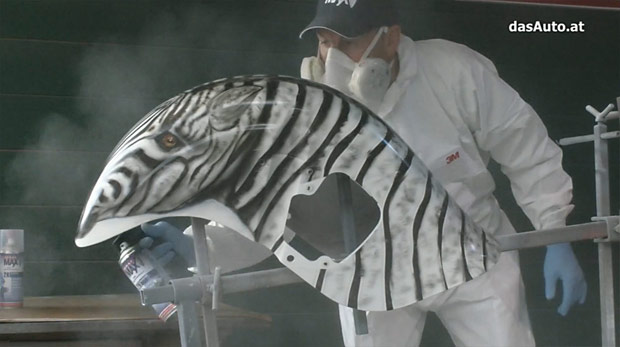
The result: a unique show bike with hand-painted zebra airbrushing. From rusty barn find to award-winning custom—that’s the magic of DIY!

What We Achieved:

Complete restoration

Frame, engine, all body parts—everything was completely restored.

Custom paint

Unique zebra airbrush design—a one-of-a-kind show bike.

Show winner

The bike won awards at custom bike shows—the ultimate validation!

DIY success

Proof that with the right products and knowledge, anyone can achieve professional results.

Your Turn!

You’ve seen how it’s done. Now it’s your turn! With the right products from our shop and these guides, you can transform your motorcycle too.

#11: Assembly 2

#11: Assembly 2

The finish line in sight—tank, fairing, and final details


EPISODE
11 of 12

DIFFICULTY
Medium

TIME REQUIRED
1 day

Video Tutorial

Work Steps:

1

Body parts

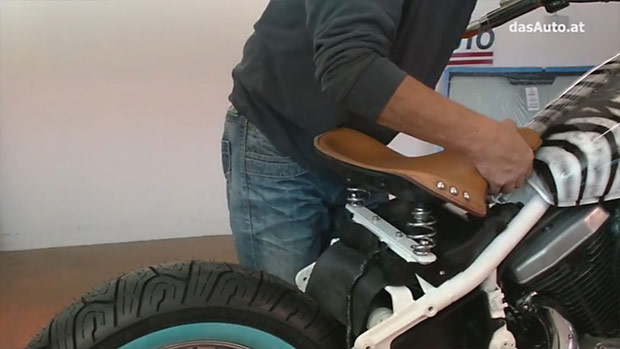
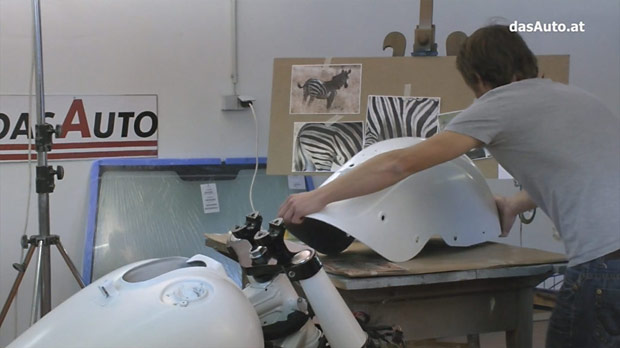
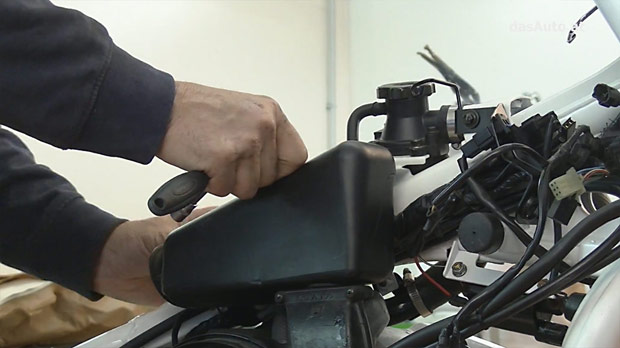
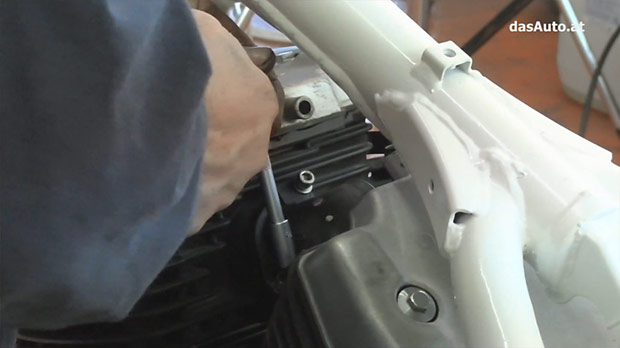
The tank, side covers, and fenders are installed. Use new rubber grommets!
2

Electrics

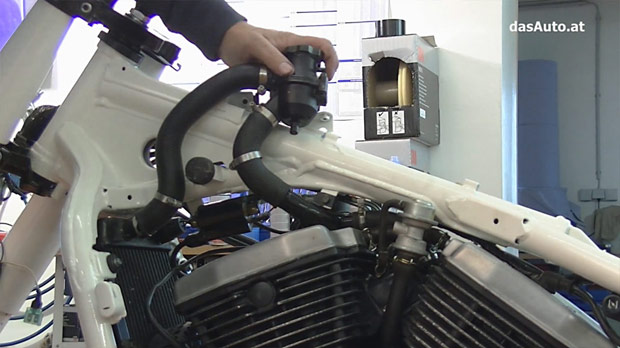
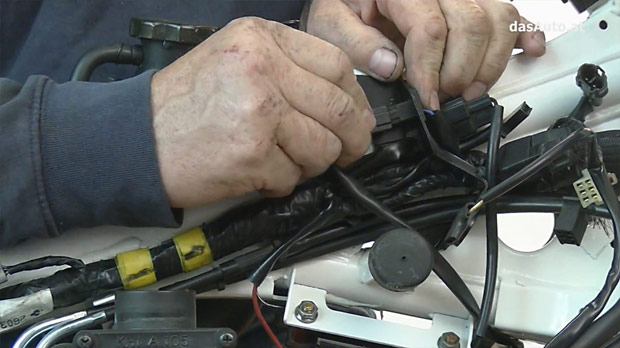
Connect all lights, turn signals, and instruments. Check all functions.

3

Final checks

Check that all screws are tightened correctly. Test brakes and throttle response.

4

First start

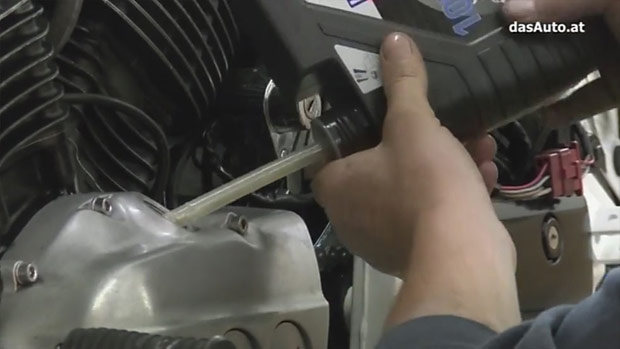
Fill with fresh oil and fuel. The big moment: first engine start!

Almost There!

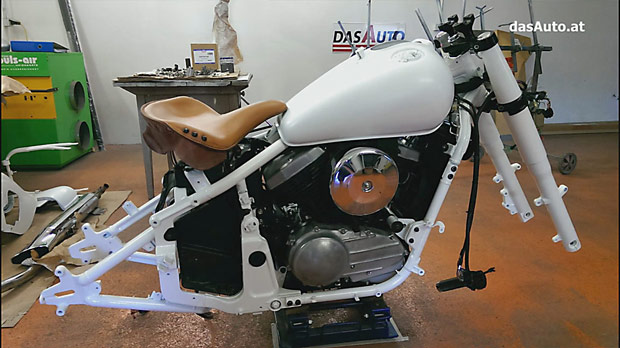
The finish line is in sight! The painted parts are finally mounted. The Kawasaki slowly takes shape and looks better than ever.

Pro Tip

Use microfiber cloths when handling painted parts. Fingerprints show immediately on fresh paint!

#09: Zebra Airbrush

#09: Zebra Airbrush

A work of art on two wheels—the unique zebra look is created


EPISODE
9 of 12

DIFFICULTY
Expert

TIME REQUIRED
2-3 days

Video Tutorial

Recommended SET

Airbrush Color SET

Go to Shop →

Work Steps:

1

Design

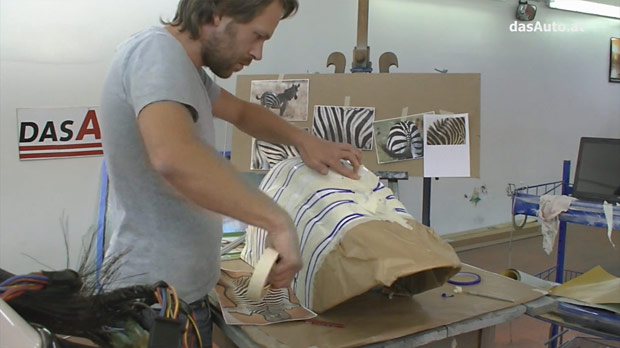
Create the zebra pattern design. Mark the lines on the tank with masking tape.

2

Masking

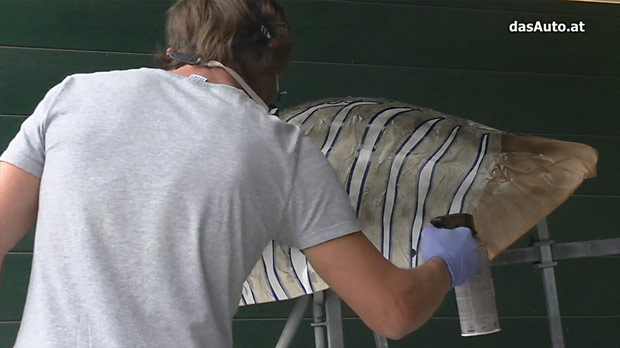
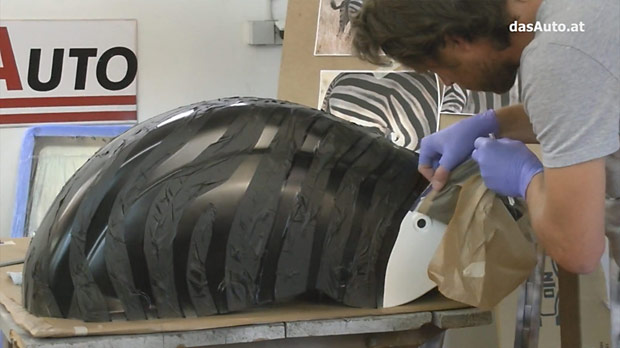
Cover all areas that should not be painted. Precise masking is essential!

3

Airbrushing

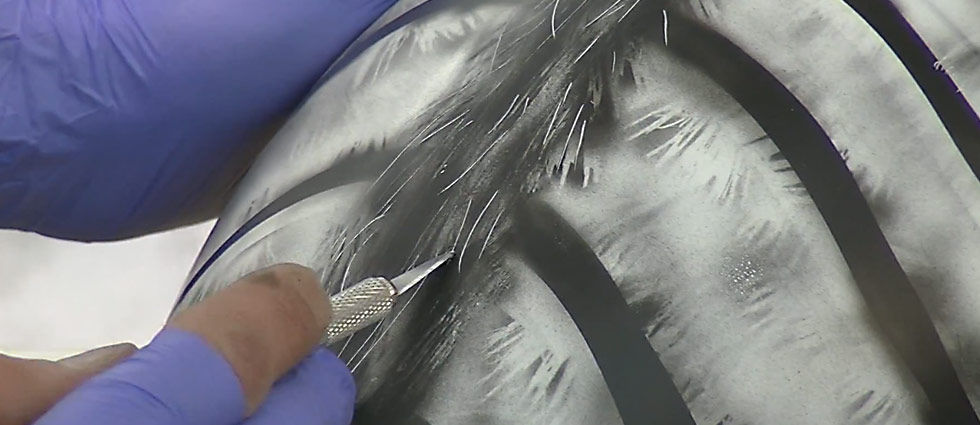
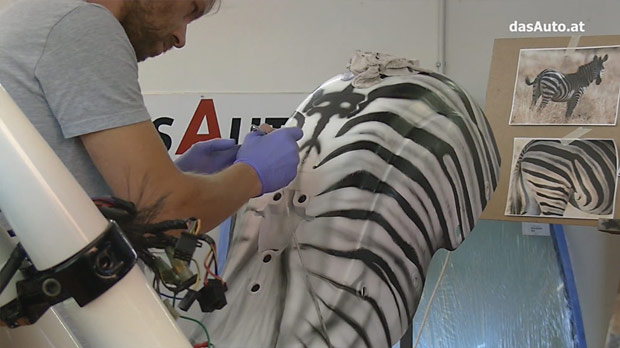
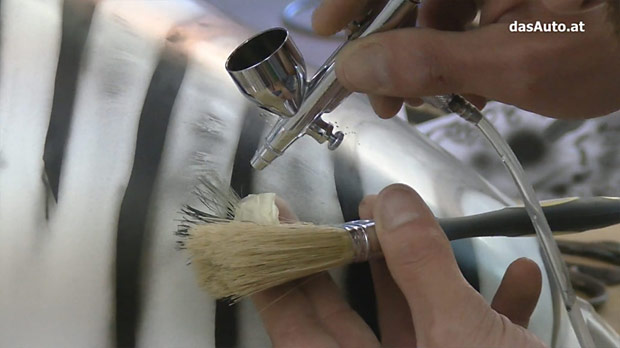
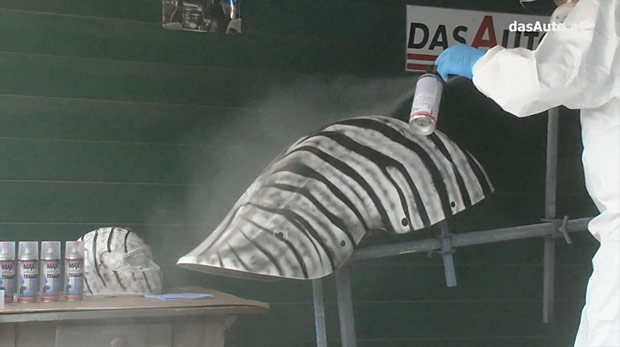
The zebra pattern is applied using an airbrush and stencils. Each line is sprayed by hand—precision work!

4

Details

Fine details and transitions are hand-painted. Allow each layer to dry before the next.

The Artwork

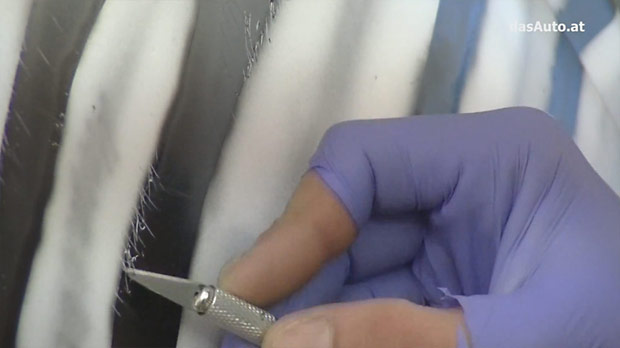
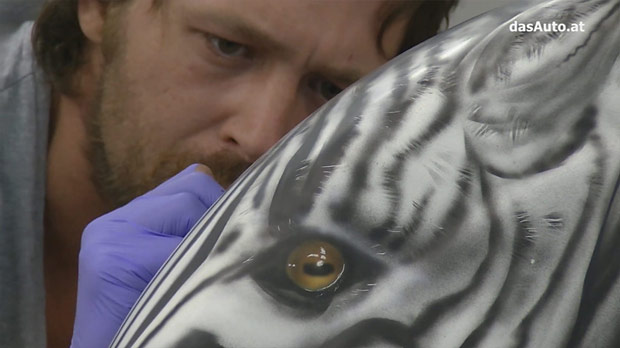
Now it gets artistic! The tank receives its unique zebra pattern. This requires a steady hand, patience, and experience with airbrush technique.

Pro Tip

Practice the pattern on cardboard first. Each zebra stripe should be slightly different—that’s what makes it look natural.

#10: Seal the airbrush

#10: Seal the airbrush

Protecting the artwork—multiple layers of clear coat for lasting shine


EPISODE
10 of 12

DIFFICULTY
Medium

TIME REQUIRED
2 days

Video Tutorial

Recommended SET

2K Clear Coat SET

Go to Shop →

Work Steps:

1

Preparation

Clean the airbrush artwork from dust. Do not touch with bare hands!

2

First coat

Apply a thin mist coat of 2K clear coat. This prevents the artwork from bleeding.

3

Build-up coats

Spray 2K clear coat in 3-4 thin layers. Allow to flash off for 15-20 minutes between layers.

4

Curing & finishing

After 48 hours of drying time, the surface can be polished and waxed.

Protection

The beautiful airbrush work needs protection! Multiple layers of 2K clear coat seal the artwork and provide fuel resistance and UV protection.
Pro Tip

The first coat must be very thin! If you spray too much at once, the solvents can dissolve the airbrush colors.

#08: Assembly 1

#08: Assembly 1

Finally! The frame and engine are reunited


EPISODE
8 of 12

DIFFICULTY
Medium

TIME REQUIRED
1 day

Video Tutorial

Work Steps:

1

Engine installation

Carefully insert the engine into the frame. Check the engine mounts!

2

Wheel mounting

Install front and rear wheels. Check bearing play and brake discs.

3

Connections

Brake lines, fuel lines, and electrical systems are connected.

4

Check

Check all connections for leaks and proper fit.

The Goal

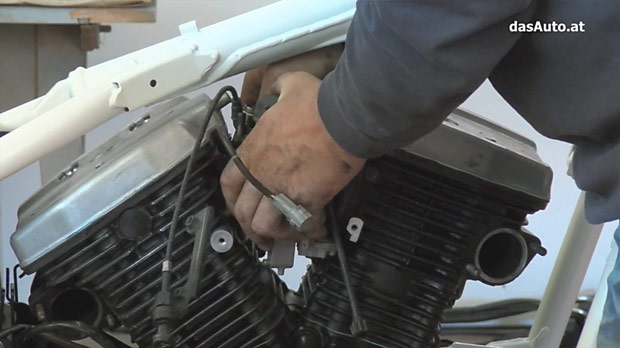
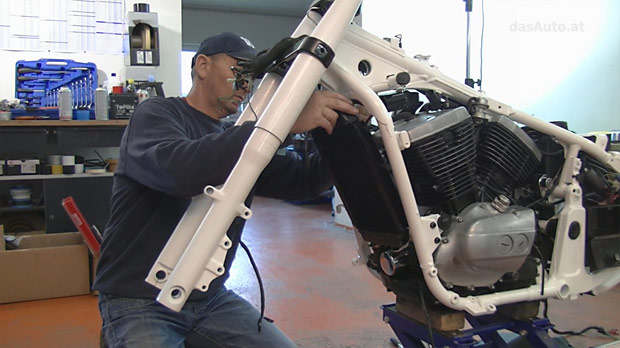
The moment we’ve been waiting for! After all the painting work, the motorcycle slowly comes back together. Engine and frame are finally reunited.

Pro Tip

Use new gaskets and seals everywhere. Old rubber parts can crack and cause leaks.

#07: Paint the frame

#07: Paint the frame

The centerpiece—the frame gets a fresh coat of paint


EPISODE
7 of 12

DIFFICULTY
Medium to Hard

TIME REQUIRED
2-3 days

Video Tutorial

Recommended SET

Frame Painting SET

Go to Shop →

Work Steps:

1

Rust removal

Remove loose rust from the entire frame using a wire brush and sandpaper.

2

Rust treatment

Apply rust converter to all affected areas. Allow to work for at least 24 hours.

3

Priming

After drying (min. 24h), spray with 2K primer in 2 coats.

4

Top coat

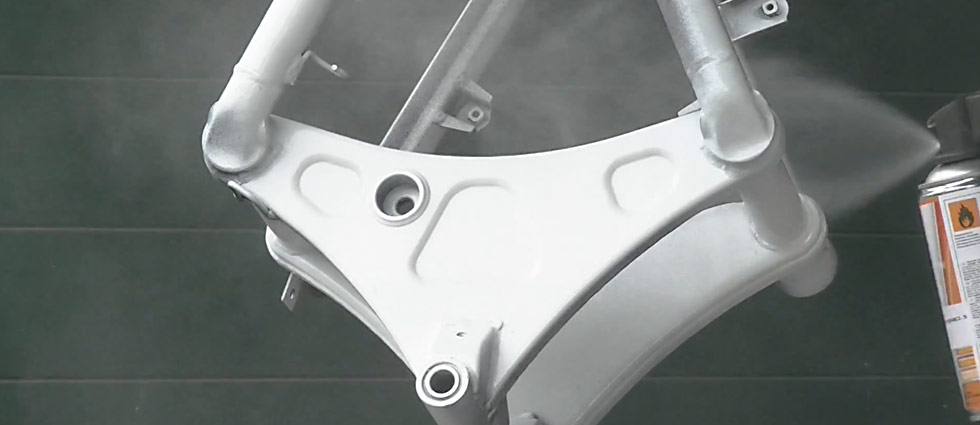
Apply frame paint in 2-3 thin coats. Use 2K paint for durability.

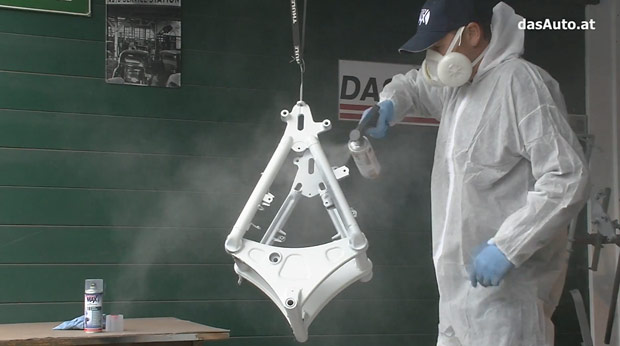
The Goal

The frame is the backbone of every motorcycle. A perfect paint job not only looks great but also provides lasting rust protection.

Pro Tip

Hang the frame so you can reach all areas easily. Use a rotating hook for even coverage.

#06: Restore attachments

#06: Restore attachments

Small parts, brackets, and attachments are refurbished


EPISODE
6 of 12

DIFFICULTY
Medium

TIME REQUIRED
1-2 days

Video Tutorial

Recommended SET

Paint & Primer SET

Go to Shop →

Work Steps:

1

Cleaning

Thoroughly clean all small parts. Oil, grease, and old dirt must be completely removed.

2

Rust removal

Remove rust with wire brush, sandpaper, or rust converter.

3

Priming

Treat metal parts with rust-proof primer. Use 2K filler for visible parts.

4

Painting

Paint with matching color or heat-resistant paint for engine parts.

The Goal

While the main parts are drying, we restore all the small parts. Brackets, covers, and accessories are cleaned, primed, and painted.

Pro Tip

Use wire hooks to hang small parts for painting. This way you can spray all sides at once.

#05: Paint pulls up

#05: Paint cures

Pure excitement—the fresh paint develops its full shine


EPISODE
5 of 12

DIFFICULTY
Easy

TIME REQUIRED
Wait!

Video Tutorial

The Magical Moment

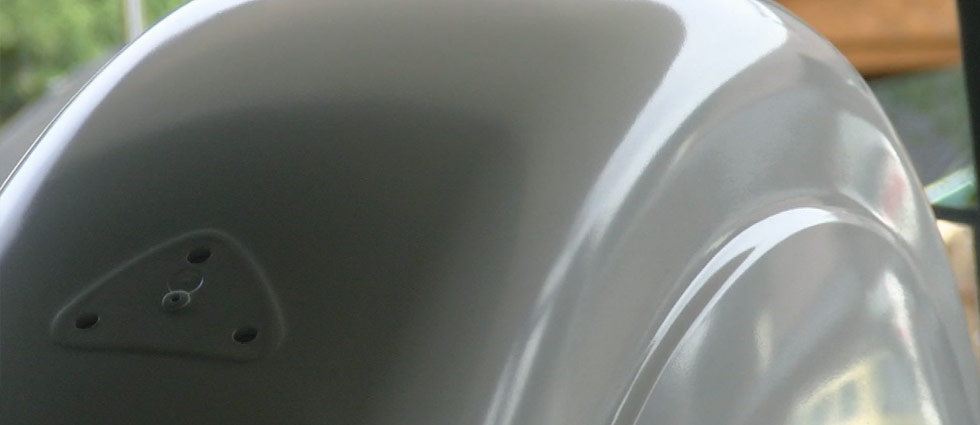
One of the best moments in any paint job: the clear coat cures! Within minutes, the matte surface transforms into a high-gloss mirror finish.

Now it’s time to be patient and not touch anything!

What Happens Now:

1

Flash-off (0-30 min)

The solvents evaporate. The paint slowly becomes duller, then begins to shine.

2

Surface Dry (30 min – 4h)

The paint is dust-dry but still soft. Caution—do not touch!

3

Full Cure (24-48h)

The paint hardens completely. Only then can polishing begin.

Pro Tip

2K paints cure chemically—the warmer it is, the faster they cure. At temperatures below 15°C, it takes significantly longer. An ideal room temperature is 20–25°C.

#04: Paint body parts

#04: Paint body parts

Finally, paint! The tank and side covers get their new paint job.


EPISODE
4 of 12

DIFFICULTY
Medium to Hard

TIME REQUIRED
1-2 days

Video Tutorial

Recommended SET

Base Coat & 2K Clear Coat SET

Go to Shop →

Work Steps:

1

Degreasing

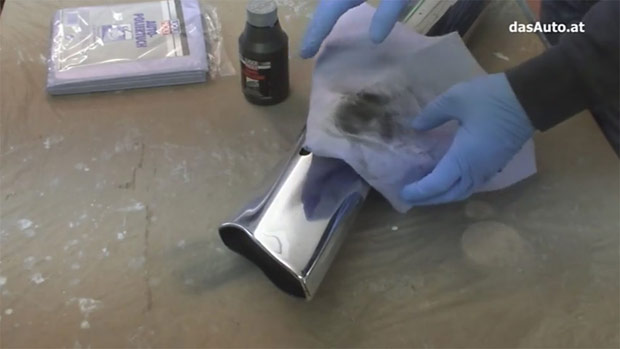
Wipe again with silicone remover shortly before painting. No fingerprints on the surface!

2

Base Coat

Apply base coat in 2-3 thin layers. Allow to flash off for 5-10 minutes between layers.

3

Clear Coat

After 20-30 minutes, spray 2K clear coat in 2-3 layers. This adds shine and protects the base coat.

4

Drying

Allow to dry dust-free for at least 24 hours. At room temperature, no direct sunlight.

Attention

A dust-free environment is essential! Wet the floor and close the garage door. Every speck of dust will be visible in the paint later.

The Goal

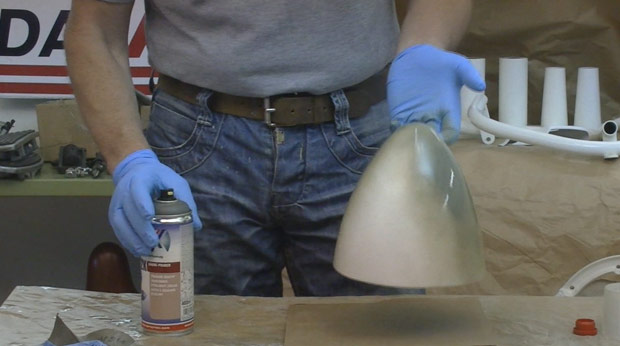
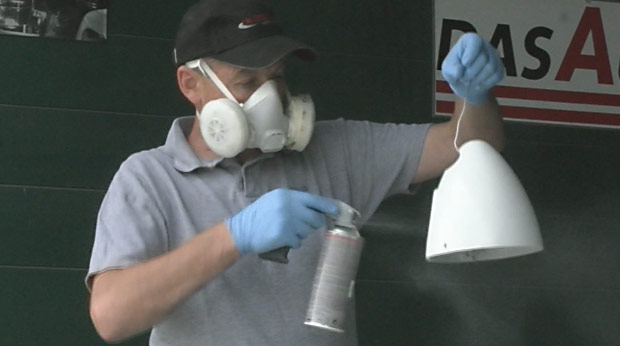
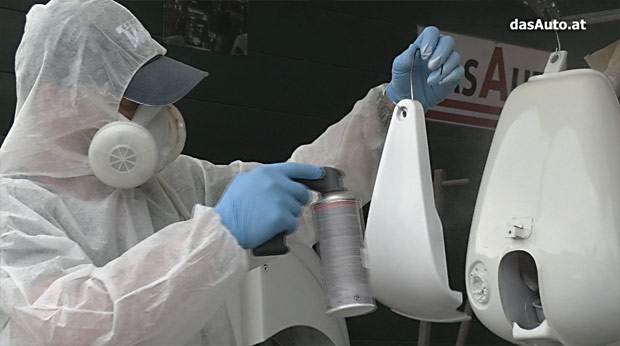
Now it’s getting exciting! The prepared parts are getting their new paint job. The tank and side covers are being coated with high-quality base coat and clear coat.

Pro Tip

Before use, warm spray cans in warm water (not hot!) to approx. 25°C. The paint will then spray more finely and evenly.

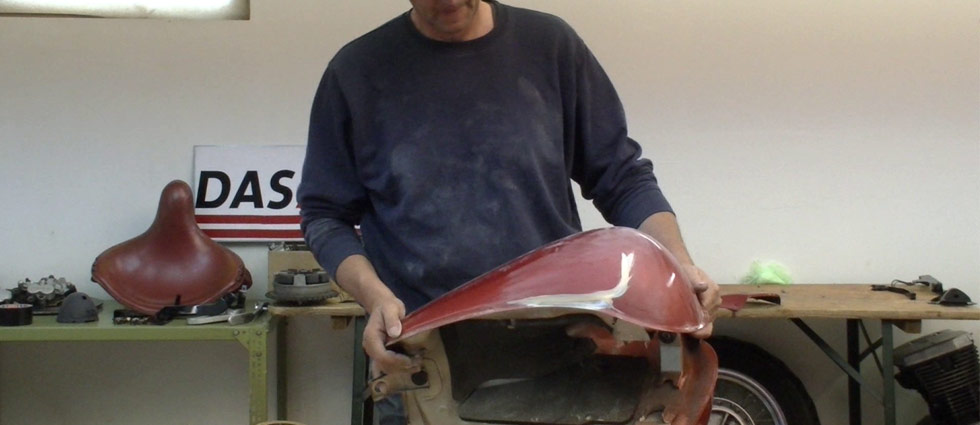
#03: Repair previous damage 2

#03: Repair previous damage 2

The fine work—sanding, filling, and final preparation


EPISODE
3 of 12

DIFFICULTY
Medium

TIME REQUIRED
1-2 days

Video Tutorial

Recommended SET

Filler & Primer SET

Go to Shop →

Work Steps:

1

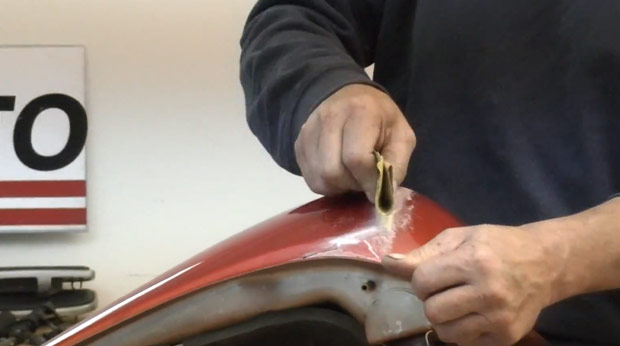
Fine sanding

Smooth the filled areas perfectly with 320 to 600 grit sandpaper. Always sand in one direction!

2

Apply filler

Spray on 2K filler in 2-3 coats. It fills small pores and creates a perfect base for the paint.

3

Control sanding

After drying, sand the filler with 600 to 800 grit sandpaper. Any remaining unevenness will now become apparent.

4

Rework

Make minor repairs with spray filler, then fill and sand again until the surface is perfect.

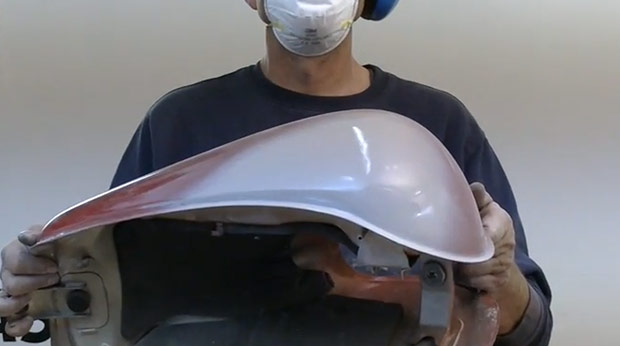
The Challenge

After rough filling, it’s time for the fine work. The surfaces must be perfectly prepared—every little bump will be visible later in the paintwork!

Pro Tip

Check the surface in raking light! Shine a handheld lamp over the side of the part—this will reveal even the smallest irregularities.