Posts

#02: Repair previous damage 1

#02: Repair previous damage 1

Dents, scratches, and rust—the damage is assessed and repaired.


EPISODE
2 of 12

DIFFICULTY
Medium

TIME REQUIRED
1-2 days

Video Tutorial

Recommended SET

Filler & Sanding SET

Go to Shop →

Work Steps:

1

Inventory

Carefully inspect all parts and document any damage. Which parts can be repaired and which need to be replaced?

2

Treat rust

Rust deposits are removed with a wire brush and sandpaper. Rust converter stops corrosion.

3

Push out dents

Smaller dents are carefully pressed out or filled with tin/filler.

4

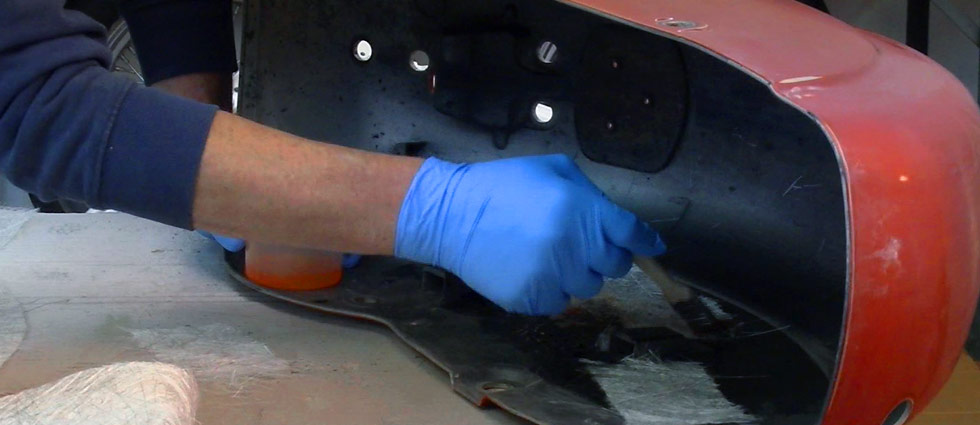
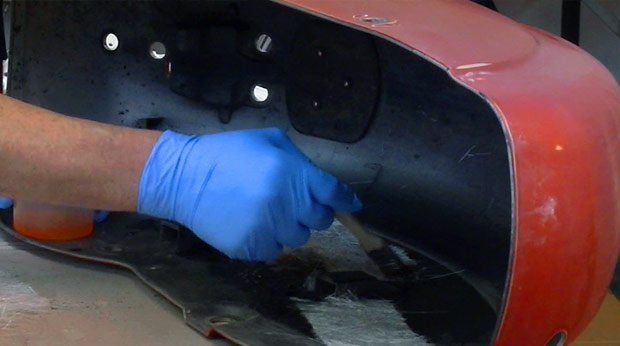
Apply filler

Use a fine filler to level out any unevenness. Apply thinly, allow to dry thoroughly, then sand smooth.

The Challenge

After dismantling, the true extent of the damage becomes apparent: dents in the tank, scratches on the side covers, rust spots on the frame.

Now it’s time for a thorough damage assessment and systematic repair of all previous damage.

Pro Tip

It is preferable to apply several thin layers of filler rather than one thick layer! Always allow each layer to dry thoroughly and sand between coats.

Scratches, Dents and Bumps on Your Car

▶️ Scratches, Dents and Bumps on Your Car

Repair minor damage yourself – from preparation to finish

▶️
Difficulty
Medium
⏱️
Time
3-5 Hours
▶️
Cost
€80-150
▶️
Savings
€400-800 vs. Body Shop
▶️
Tools
Sanding Block

Video Tutorial

▶️ Matching Product for This Video

[dasauto_product id=”368833″]

The Problem

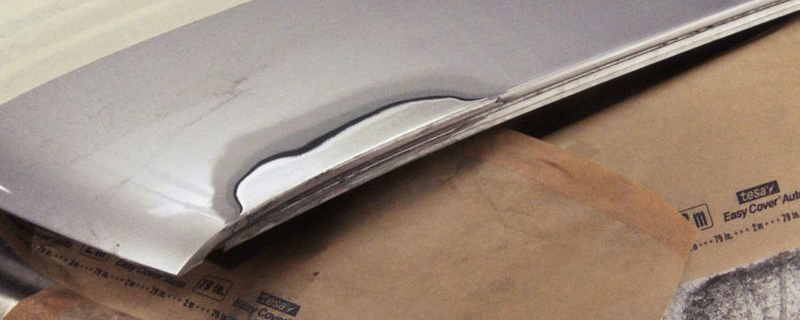
Small dents, scratches and bumps from parking mishaps or minor accidents are annoying and lower the value of your car. A body shop often charges €500 or more for such small repairs.

With the right materials and a little patience, you can repair these damages yourself and save a lot of money!

Here’s How:

1

Assessment

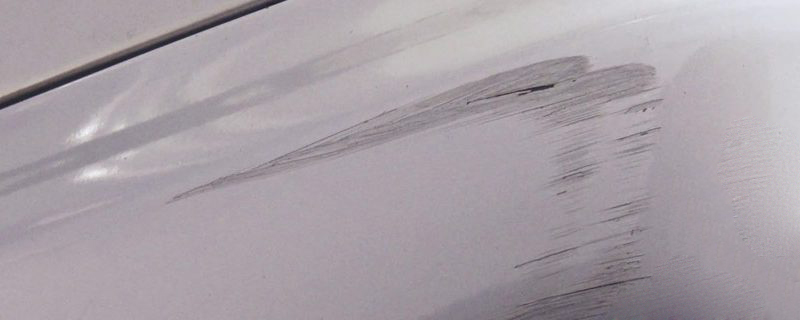
First assess the damage. Is it just a scratch in the clear coat, or has the paint been damaged down to the metal? For deep scratches down to the metal, rust protection is essential.

2

Preparation

Clean the damaged area thoroughly with silicone remover. Sand the area around the damage with P320-P400 sandpaper to create adhesion for the filler.

3

Filling

For dents: Apply filler in thin layers. Mix the filler with hardener according to instructions – not too much hardener, otherwise it sets too quickly!

Let each layer dry and sand smooth before applying the next. Build up gradually until the surface is level.

4

Fine Sanding

Once the filler is level with the surrounding area, sand with progressively finer grits: P400, then P600, finally P800. The surface must be perfectly smooth.

▶️ Pro Tip

For paintless dent repair, heat the panel with a heat gun first – the metal becomes more flexible! This works great for small dents without paint damage.

5

Priming

Mask off the surrounding area. Apply filler/primer in 2-3 thin coats. Let it dry for 30 minutes, then sand with P600-P800 wet sandpaper.

6

Painting

Apply base coat in 2-3 thin layers. Keep 25-30cm spray distance. Let flash off 5 minutes between coats. Then apply 2K clear coat in 2-3 layers.

7

Finishing

After 24-48 hours, polish the repaired area with polishing compound to blend it with the surrounding paint. The result should be virtually invisible!

⚠️ Warning

Always work in thin layers! Thick layers of filler crack, thick layers of paint run. Patience is key to a professional result.

Need supplies?

Shop Now →

Spot Repair – Partial Paint Repair

▶️ Spot Repair – Partial Paint Repair

Professionally repair small paint damage without complete repainting

▶️
Difficulty
Medium
⏱️
Time
2-4 Hours
▶️
Cost
€50-100
▶️
Savings
€300-600 vs. Body Shop

Video Tutorial

▶️ Matching Product for This Video

[dasauto_product id=”368832″]

The Problem

Larger scratches, parking damage, or small dents with paint damage require more than just a touch-up pen. The damaged area must be prepared and repaired with spray paint.

With Spot Repair, only the damaged area is painted – not the entire part. This saves time and money!

Here’s How:

1

Preparation

Thoroughly clean the damaged area with silicone remover. Remove loose paint and sand the edges with 800 grit sandpaper.

2

Priming

For areas down to bare metal: First apply rust protection primer, then filler. Let it dry well and sand.

3

Masking

Generously mask off the surrounding area. Use masking film and painter’s tape. The transitions should be able to blend softly.

4

Spraying Base Coat

Apply the base coat in 2-3 thin layers. Let it flash off for 5-10 minutes between coats. Spray distance approx. 20-25 cm.

⚠️ Warning

Don’t apply too thick! Better multiple thin coats than risking runs. With metallic paints, pay attention to consistent spray distance!

▶️ Pro Tip

Work in a dust-free environment at 15-25°C temperature. Avoid direct sunlight! Best to work in the garage with the door open.

5

Applying Clear Coat

After 20-30 minutes of flash-off time, apply 2K clear coat in 2-3 layers. The clear coat provides gloss and protection.

6

Finishing

After 24h drying time, you can polish out any dust inclusions with 2000 grit sandpaper (wet) and polishing compound.

Need supplies?

Shop Now →